03 April 2026 – need2know
On 18 March 2026, the Commission published the EU Inc. proposal – an optional, digital first corporate legal form. Aiming for
– Better access to growth capital
– VC-compatible share classes, clean warrant and convertible mechanics, flexible buyback regime, competitive ESOP structures
– Coherent, directly applicable, and uniform framework across Member States
1. European scaleups – the Delaware flip is real.
- Fragmentation creates uncertainty, compliance costs, and barriers to cross-border expansion
- Significant number of scaleups operate as “dual companies” with HQs outside the EU and/or relocate to the United States
- Migrant companies raise significantly more venture capital, file more patents and, achieve substantially larger valuations
- See the Impact Assessment Report
2. EU Inc. as new legal form and economic enabler.
On 18 March 2026, the Commission published the EU Inc. proposal – an optional, digital first corporate legal form (COM(2026) 321 final).
- Better access to growth capital
- VC-compatible share classes, clean warrant and convertible mechanics, flexible buyback regime, competitive ESOP structures
- Coherent, directly applicable, and uniform framework across Member States
3. Digitalisation across the lifecycle.
- Fast-track incorporation within 48 hours – online EU central interface – fast track requires use of EU template for articles of association
- Digital and hybrid shareholder and board meetings
- Digital transfer of shares – no requirement for notarial involvement
- Fast-track liquidation procedures – available under certain conditions
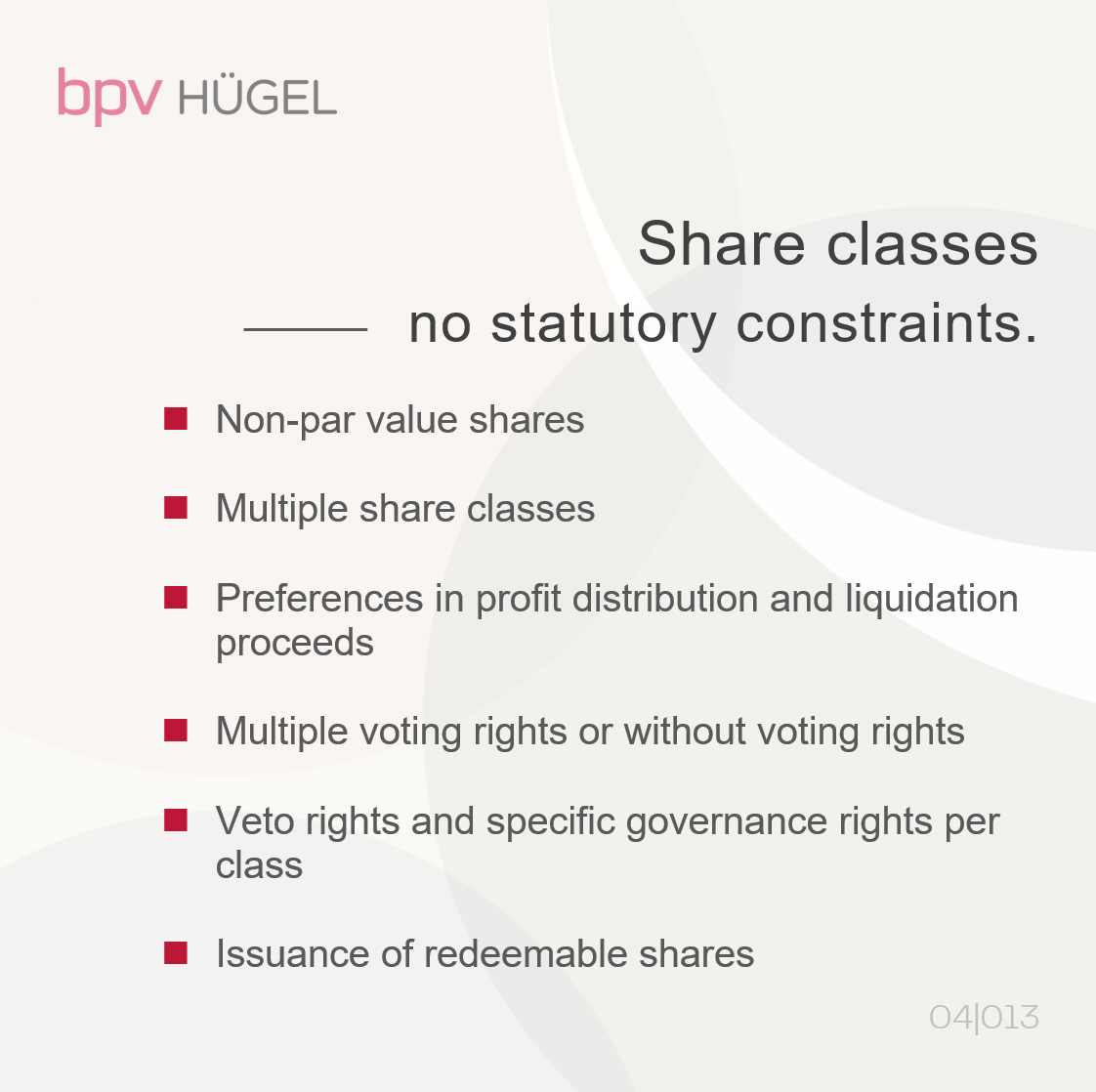
4. Share classes no statutory constraints.
- Non-par value shares
- Multiple share classes
- Preferences in profit distribution and liquidation proceeds
- Multiple voting rights or without voting rights
- Veto rights and specific governance rights per class
- Issuance of redeemable shares
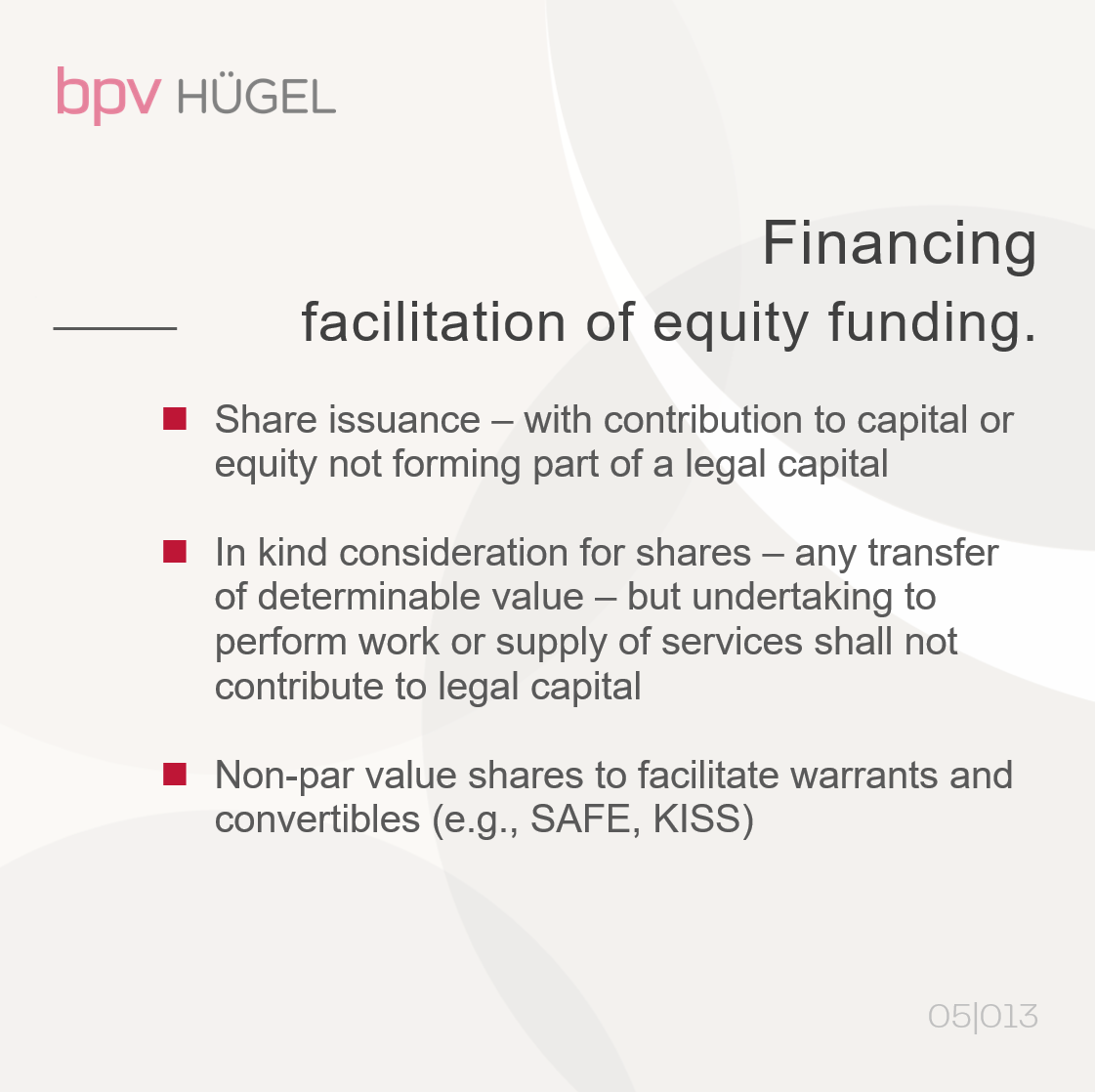
5. Financing facilitation of equity funding.
- Share issuance – with contribution to capital or equity not forming part of a legal capital
- In kind consideration for shares – any transfer of determinable value – but undertaking to perform work or supply of services shall not contribute to legal capital
- Non-par value shares to facilitate warrants and convertibles (e.g., SAFE, KISS)
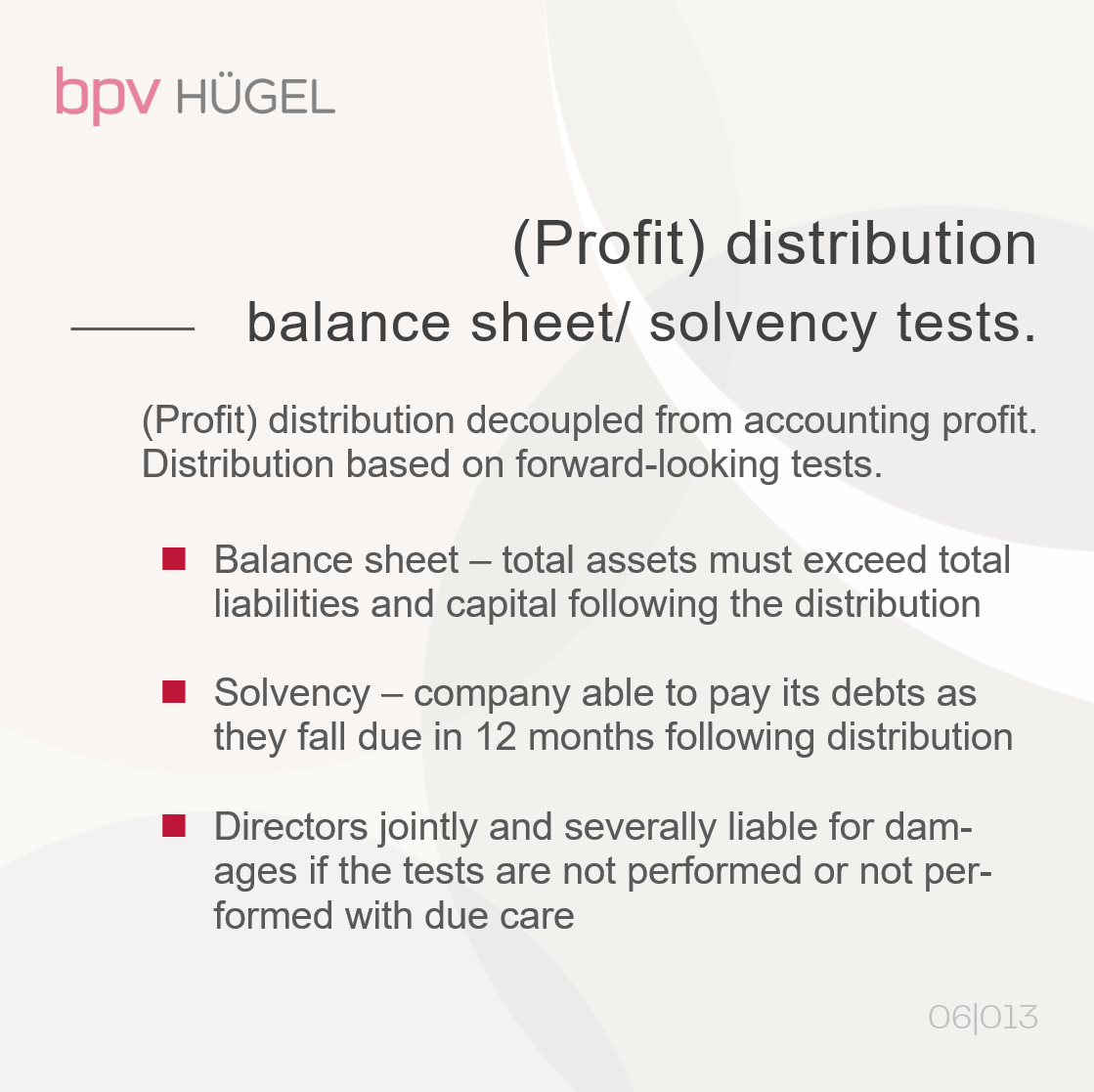
6. (Profit) distribution balance sheet/ solvency tests.
(Profit) distribution decoupled from accounting profit. Distribution based on forward-looking tests.
- Balance sheet – total assets must exceed total liabilities and capital following the distribution
- Solvency – company able to pay its debts as they fall due in 12 months following distribution
- Directors jointly and severally liable for damages if the tests are not performed or not performed with due care
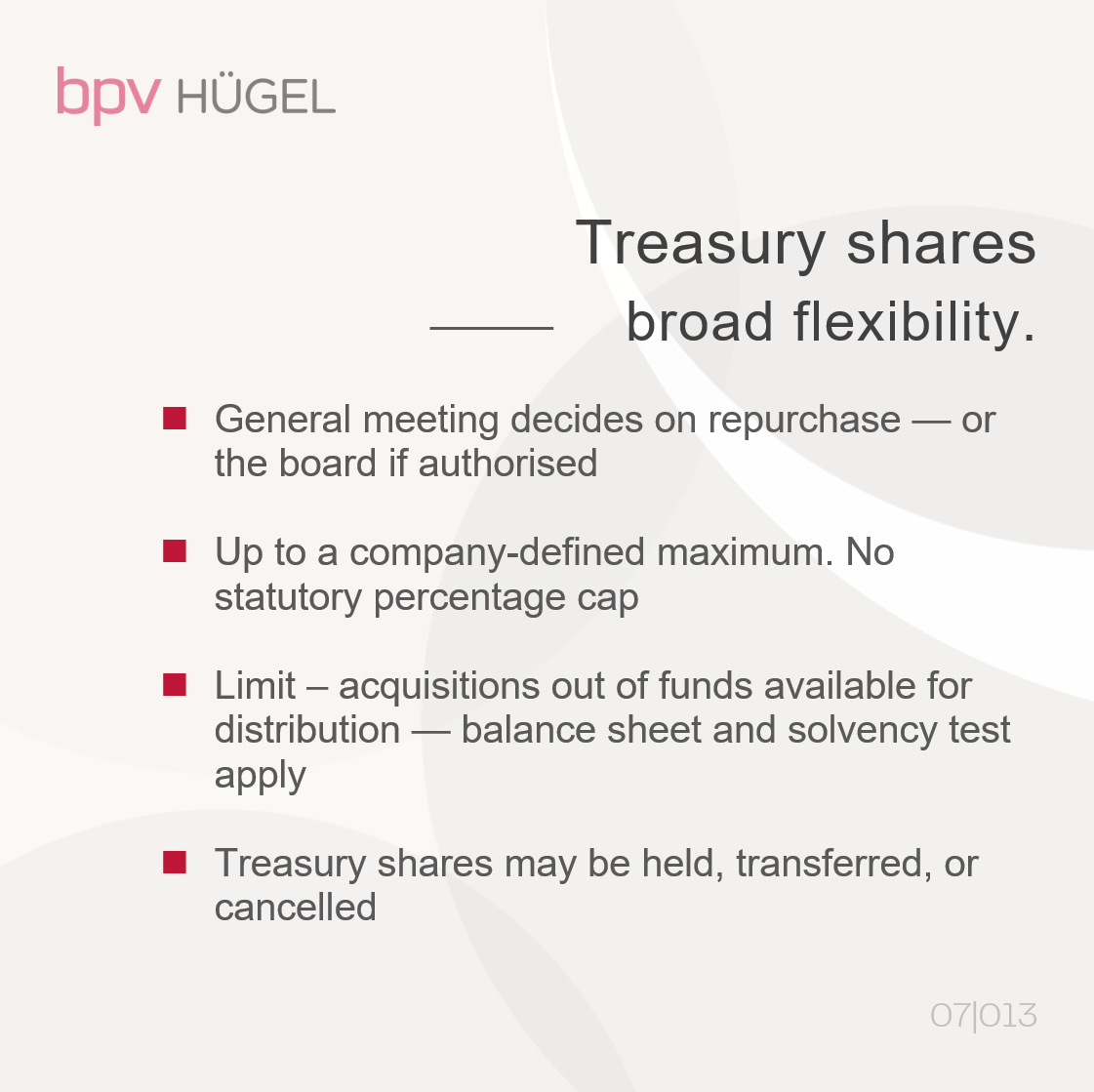
7. Treasury shares broad flexibility.
- General meeting decides on repurchase — or the board if authorised
- Up to a company-defined maximum. No statutory percentage cap
- Limit – acquisitions out of funds available for distribution — balance sheet and solvency test apply
- Treasury shares may be held, transferred, or cancelled
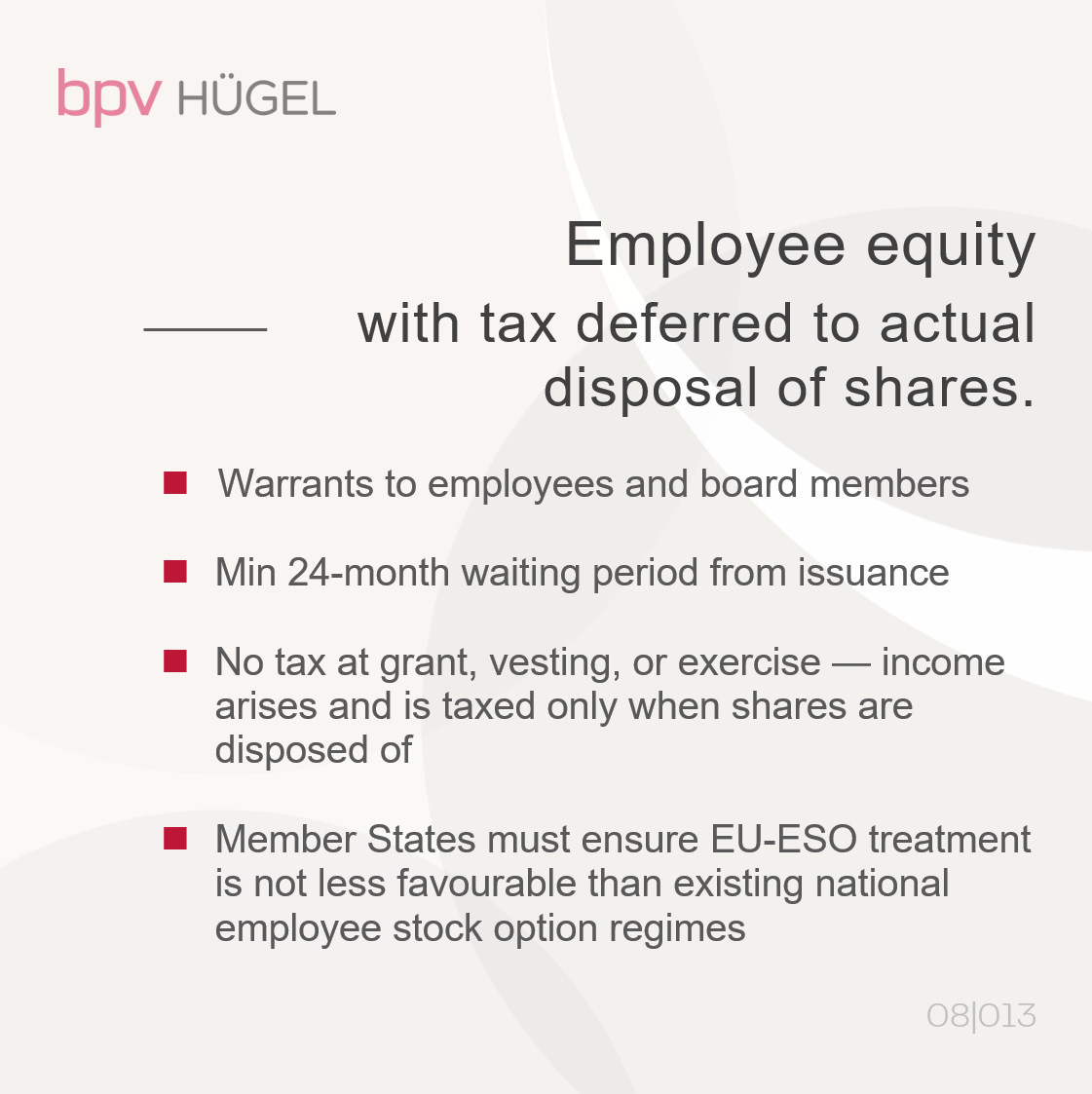
8. Employee equity with tax deferred to actual disposal of shares.
- Warrants to employees and board members
- Min 24-month waiting period from issuance
- No tax at grant, vesting, or exercise — income arises and is taxed only when shares are disposed of
- Member States must ensure EU-ESO treatment is not less favourable than existing national employee stock option regimes
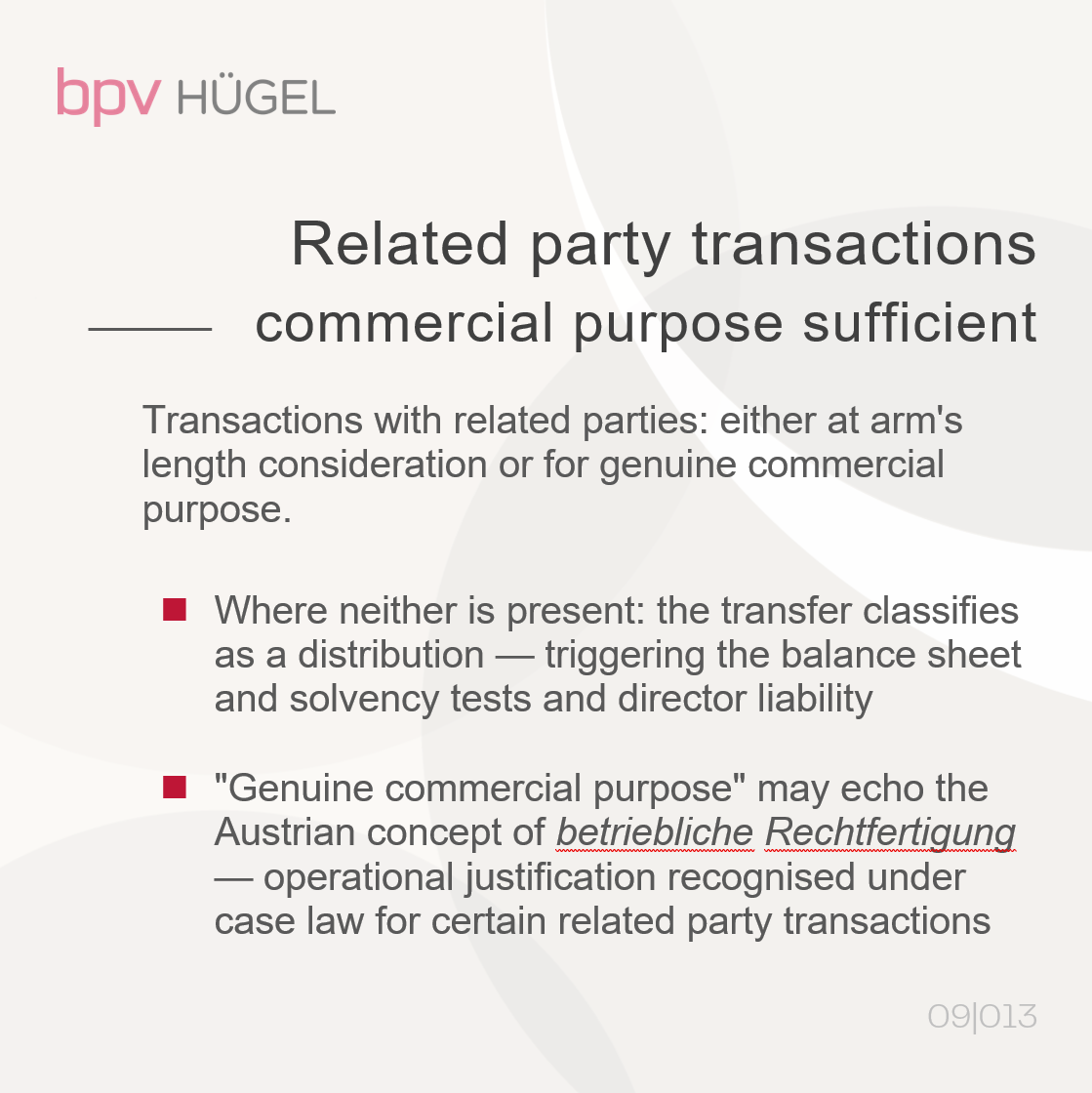
9. Related party transactions commercial purpose sufficient
Transactions with related parties: either at arm’s length consideration or for genuine commercial purpose.
- Where neither is present: the transfer classifies as a distribution — triggering the balance sheet and solvency tests and director liability
- “Genuine commercial purpose” may echo the Austrian concept of betriebliche Rechtfertigung — operational justification recognised under case law for certain related party transactions
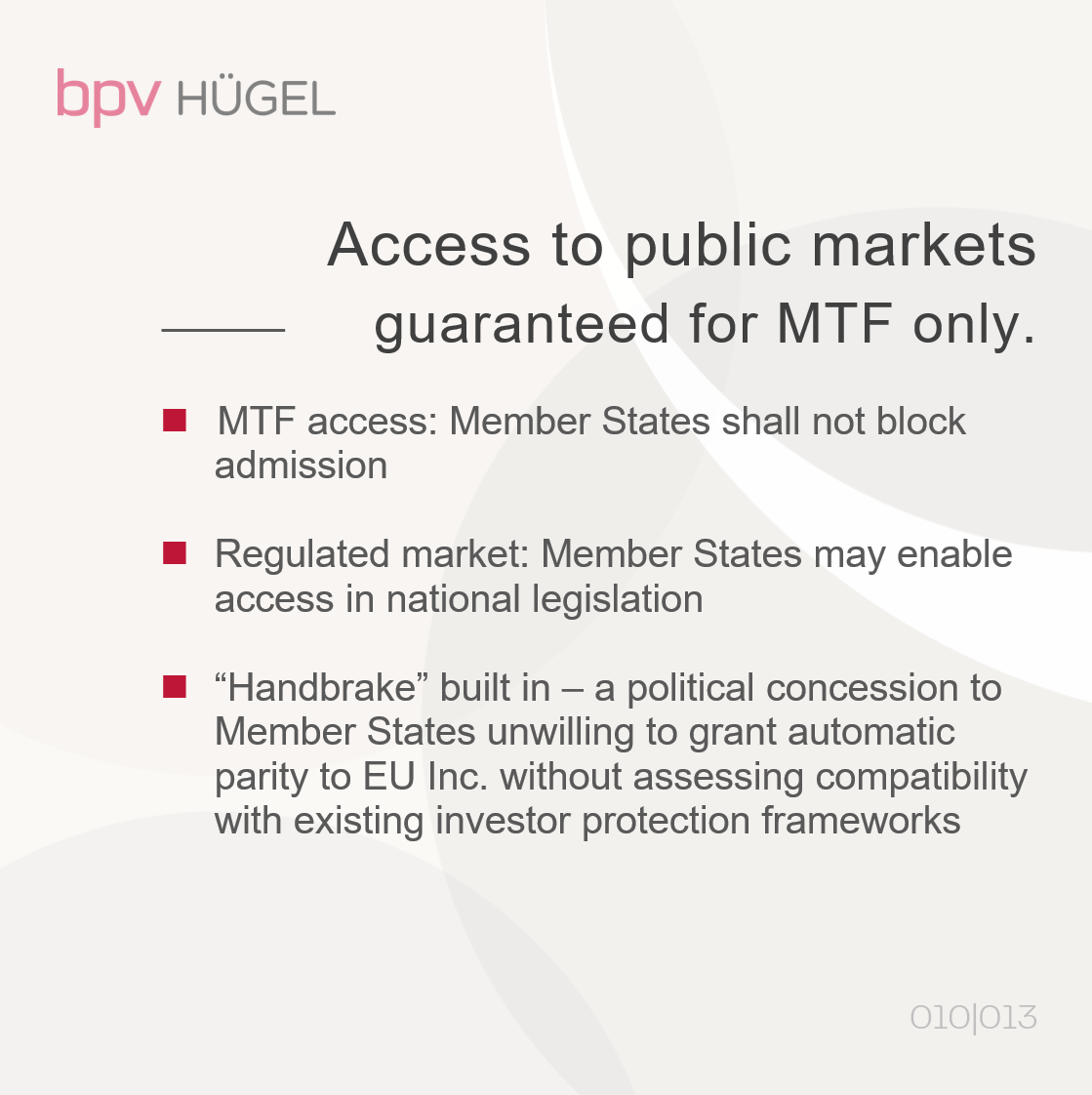
10. Access to public markets guaranteed for MTF only.
- MTF access: Member States shall not block admission
- Regulated market: Member States may enable access in national legislation
- “Handbrake” built in – a political concession to Member States unwilling to grant automatic parity to EU Inc. without assessing compatibility with existing investor protection frameworks
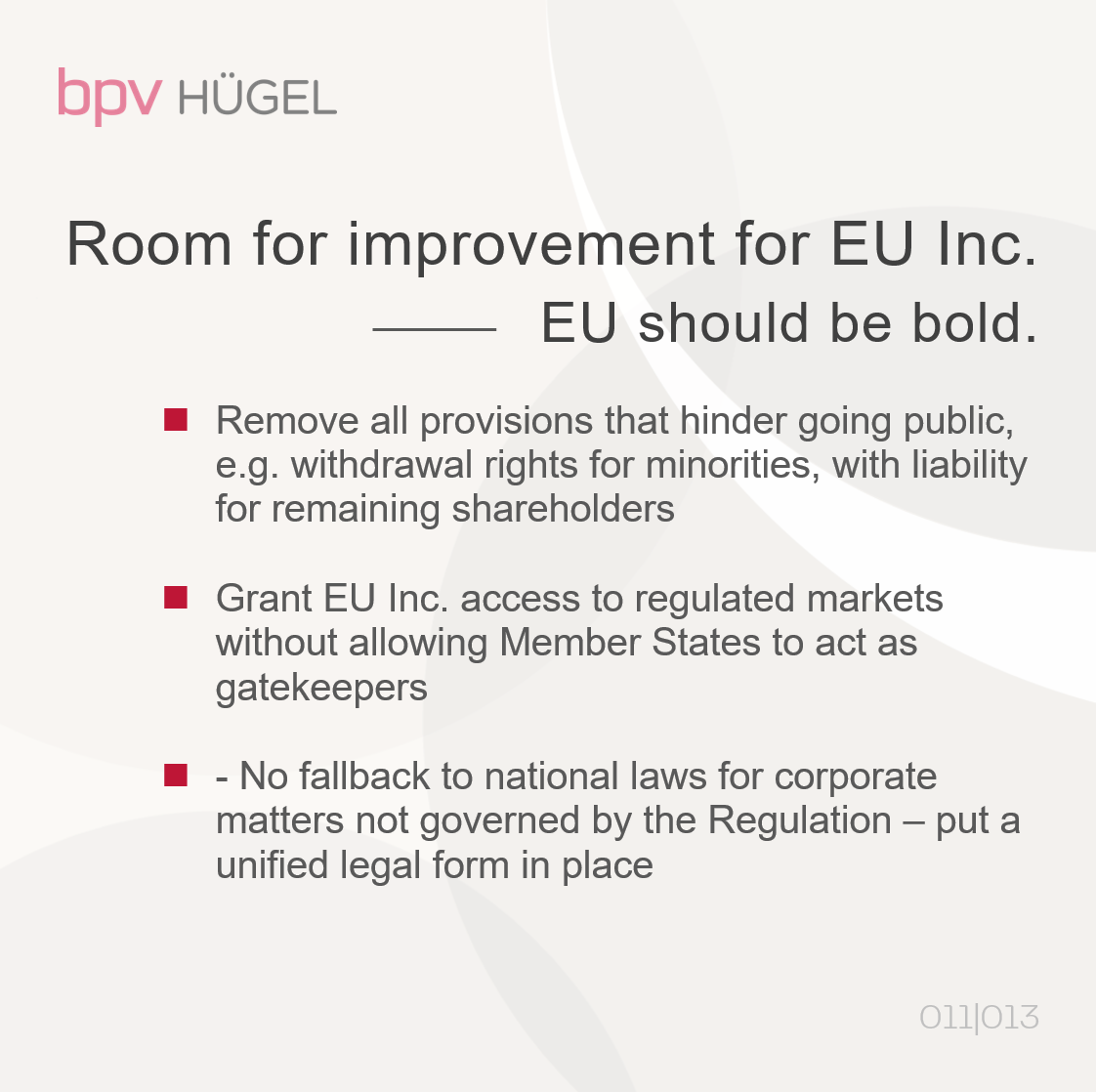
11. Room for improvement for EU Inc. EU should be bold.
- Remove all provisions that hinder going public, e.g. withdrawal rights for minorities, with liability for remaining shareholders
- Grant EU Inc. access to regulated markets without allowing Member States to act as gatekeepers
- No fallback to national laws for corporate matters not governed by the Regulation – put a unified legal form in place
The summary (as a PDF).


 Share
Share Tweet
Tweet Share
Share